
স্থিতি / Objects in Conversation
June 18 , 2022 - June 25, 2022
স্থিতি / Sthithi (Objects in Conversation) is a landmark design exhibition exploring the cultural significance of furniture as a design object. Showcasing 33 objects by 17 designers, including architects, artists, and designers, the exhibition marks a pivotal moment in Bangladesh’s design discourse, positioning furniture not only as functional but as a carrier of cultural narratives, material innovation, and artistic expression. As the first exhibition of its kind in Bangladesh, Sthithi fosters dialogue around the intersection of design, craftsmanship, and heritage, offering a critical lens on the evolving role of objects in contemporary spaces.
Participating Designers: Bashirul Haque, Bishwajit Goswami, BKS Inan, Diane Rhyu Taylor, Jubair
Hasan, Kazi Khaleed Ashraf, Marina Tabassum, Mazharul Islam, Md. Alamgir, Nahas
Khalil, Nitee Mahbub, Saif Ul Haque, Salauddin Ahmed, Sarawat Iqbal Tesha,
Shamsul Wares, Tejosh Halder Josh, Wakilur Rahman.


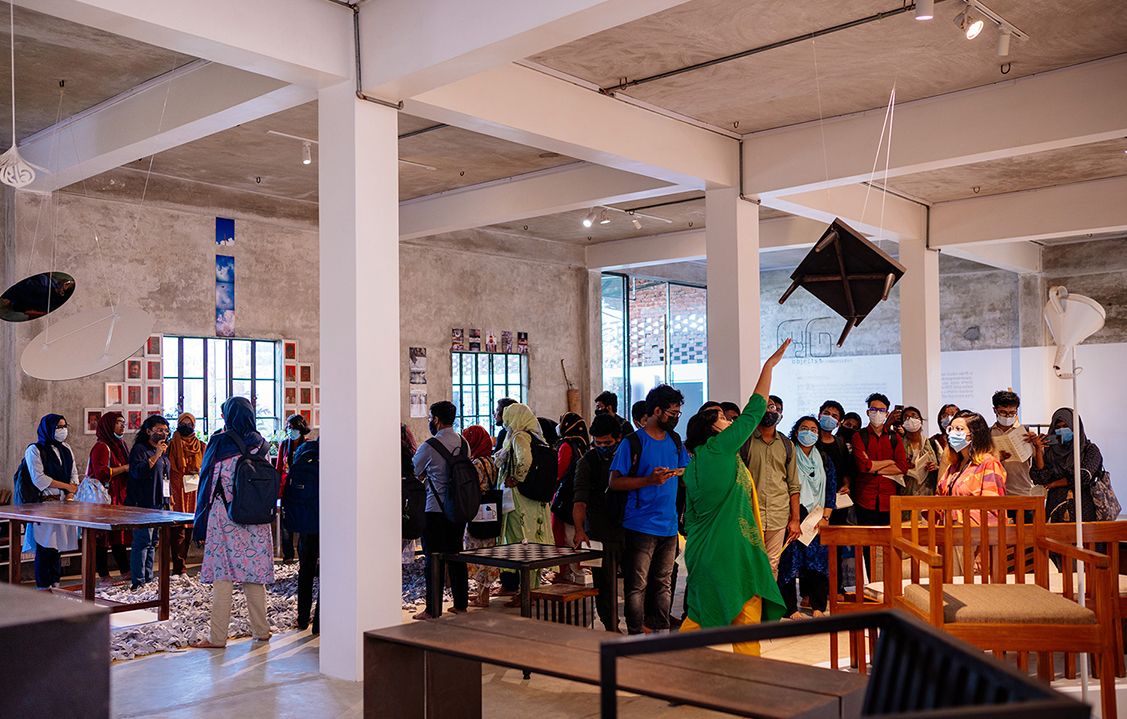


Objects on Display
Exhibition Notes
Objects
in Conversation is an encounter.
A
gathering of ideas suspended in anticipation, the exhibition invites its
audience to imagine designed objects in dialogue. Positioned as protagonists
and gathered across generations, the objects recount stories of a collective
journey in defining a Bangladeshi design identity. Organized around four thematic
inquiries, the exhibition reveals investigations about materiality and climate,
reductionism and resources, heritage and modernity, and a philosophical and
spiritual quest for the collective self. Spanning
fifty years of designed objects post-independence, the pieces bear witness to
their social, economic, and cultural contexts, responding to a society in
transition. Illuminating individual and collective aspirations, inquiries, and
debates, the collection of objects acts as a mirror reflecting a cultural
ethos. Encountering the objects creates an opportunity for us as the audience
to re-examine our current relationship to our created environments while
reflecting on the objects’ inherited and embodied values.
In
‘Objects in Conversation,’ Bangladeshi design emerges with ingenuity, humility,
and restraint. The Bangladeshi approach is uncomplicated - a simple respect for
resources and people in one of the most densely populated places in the world.
The objects reveal an acknowledgment and celebration of limited available
materials and production techniques, poetically translated into a design
challenge and opportunity. Materiality is considered with temporality and
climate, designed to weather with the seasons, and age with patinas of use.
Production can be considered primarily as a relationship, where innovations
occur through the collaborative process between designer and maker.
To
reflect on the designs and understand the objects requires a reflection on the
various contexts from which they were born. We invite the audience to
participate in the encounter, which is also a celebration of a shared and
continuing journey.
Curatorial
Team:
Diane Rhyu Taylor
Bishwajit Goswami
Ulrike Fellner
-
This exhibition tells us
that every architect is an artist, and every artist may
be an architect.
We
have architects and artists coming together, their objects in very meaningful
conversation with each other. Objects also exist independently within a
system, like language itself; you can identify linguistic elements, but they
all have relationships. Mixture is important.
Manzoorul
Islam
Academic, Cultural critic, Writer
Conversation with an Architect Marina Tabassum
Dhaka, May 15, 2022 Interview by Ulrike Fellner & Researchers
স্থিতিঃ 'স্থিতি' প্রদর্শনীর মাধ্যমে আমাদের কাছে
আপনার ডিজাইনগুলিকে ভিন্ন মানদণ্ডে - আসবাবের মানদণ্ডে আবিষ্কারের একটি বিরল সুযোগ
রয়েছে। এটা আপনার ডিজাইন চিন্তাধারার একটি গুরুত্বপূর্ণ দিক বলে ধরে নেওয়া যায়। আপনি
কী আমাদের বলতে পারেন যে আপনি কোন ভাবনা থেকে ধাতব আসবাবের ডিজাইন করলেন এবং এই আসবাবগুলোর
সাথে আপনার সংযোগটি কোথায়?
মেরিনাঃ মেরিনা তাবাসসুম আরকিটেকটস (MTA)-এ আমি একক অনুশীলন
শুরু করার পর থেকে এটিই আমার প্রথম অফিস। স্টুডিওটি মূলত কাঠের আসবাবপত্র দিয়েই তৈরি,
কিন্তু পরবর্তীতে সম্মেলনকক্ষের জন্য আমাদের একটি ভিন্ন ধরণের জিনিসের প্রয়োজন ছিল।
এই ধাতব টেবিল এবং শেলফ দুটো জিনিসের বয়স এখন ষোল বছর চলছে। শেলফটি দুটো আলাদা অংশ
দিয়ে তৈরি। ধারণাটি ছিল যে, নতুন বই আসার সাথে সাথে প্রয়োজনে এখানে আরো তাক যোগ করা
যাবে। এগুলো 'স্থাপত্যধর্মী' ভাবনায় তৈরি, এবং এদের কিছু নির্দিষ্ট কোণে সংযুক্ত করার
জন্য সংযোজক রয়েছে যেনো প্রয়োজনে একের পর এক যুক্ত করা যায়।
আমাকে একটা গুরুত্বপূর্ণ
কথা বলতেই হবে, তা হল টেবিলটি তৈরি করেছিলেন ইমাম উদ্দিন। ইমাম উদ্দিন ছিলেন আমার প্রথম
ইস্পাতের ঠিকাদার যার সাথে আমি আমার ডিজাইন করা প্রথম প্রকল্পের জন্য কাজ করেছি। এই
সম্পর্কের শুরু ১৯৯৫ সালে। যখন আমি আমার অফিস শুরু করি, আমি তাকে আমার জন্যে এই টেবিল
বানাতে বলি। তিনি বেশ নিঃস্বার্থ একজন মানুষ ছিলেন, এবং আমাদের দেয়া যেকোনো কঠিন কাজই
তিনি স্বাচ্ছন্দ্যে গ্রহণ করতেন। দুঃখের বিষয় যে এই বছর তিনি আমাদের ছেড়ে চলে গেছেন,
যা আমার জন্যে খুব কষ্টের মুহূর্ত ছিল। এই টেবিল আর শেলফটি তার স্মৃতি এবং আমাদের সম্পর্কের
চিহ্ন হিসাবে রয়ে গেছে। টেকসই উপাদান হওয়ায় এটি হয়তো আমার জীবদ্দশার থেকে দীর্ঘস্থায়ী
হবে। হয়তো কোন স্থপতি উত্তরাধিকারসূত্রে এটা পাবে, অথবা কোনো এক ডিজাইনার, কে জানে?
আবার একই সাথে মনে হয় খুব সুন্দর করে এর বয়স বাড়াব। টেবিলটি পরতে পরতে এর ব্যবহার ও
বয়সের চিহ্ন ধারণ করে চলছে।
আমাদের উখিয়ার বাড়ির
জন্য আমরা বাঁশের বেঞ্চ ডিজাইন করেছি। আমাদের অতান্ত মেধাবী কাঠমিস্ত্রি ও কারিগর আলমগীরকে
একটি টেবিলের মতো ও একটি বেঞ্চের আকারের কিছু তৈরি করতে বলেছিলাম। সুতরাং, আমি বলবো
যে এটি আসলে আলমগীরের নকশা; বেঞ্চটি কীভাবে মাটিতে বসবে, নকশা ও তার সম্পর্ক তিনি তৈরি
করেছেন। আমাদের নিজেদের কাজের পরে যেই বাঁশ অবশিষ্ট ছিল, তিনি সেগুলো ব্যবহার করেছিলেন।
ব্যক্তিগত
স্থিতিঃ কাজগুলোর পেছনে কি কোন অনুপ্রেরণা ছিল? এবং
আপনার অনুপ্রেরণাগুলি আসবাবের ডিজাইনে কীভাবে প্রতিফলিত হয়?
মেরিনাঃ সবখানেই অনুপ্রেরণা
রয়েছে। আমাদের মন খোলা রাখতে হবে, নিজের চিন্তাকে উদার রাখতে হবে, দৃষ্টিভঙ্গি প্রসারিত
করতে হবে, মনযোগী হতে হবে এবং অবশ্যই উপভোগ করতে হবে। যখন আমরা জীবনে নতুন কোন যাত্রা
বা অভিজ্ঞতার মধ্যে দিয়ে যাই, কিছু জিনিস আমাদের নাড়া দিয়ে যায় যেটা হতে পারে কোন সাইট,
হতে পারে কারো সাথে হওয়া কথপোকথন, হতে পারে কোন চলচিত্র অথবা কোন সংগীত, যে কোনো কিছু।
অথবা কোনো জাগতিক বস্তুও দ্বারাই সবচেয়ে বেশি প্রভাবিত হই। তাই কোন এক জায়গায়, কোন
বিশেষ কিছু মনকে নাড়া দিয়ে যায়। ওই মুহূর্তের জন্যে ওই ভাবনাটাই গুরুত্বপূর্ণ হয়ে দাঁড়ায়।
এটাই অনুপ্রেরণা।
আমি বরাবরই রিচার্ড
সেরা'র কাজ দ্বারা খুব উদ্বুদ্ধ হয়েছি, যেগুলো মূলত ইস্পাত দিয়ে তৈরি এবং অনায়াসে ল্যান্ডস্কেপে
বসে। কাজটা এত সুন্দর যে এটা সবসময়ই আমাকে অনুপ্রেরণা দিয়েছে। কর্টেন ইস্পাত আমি সবসময়
পছন্দ করি। আমি ভেবেছিলাম, এটি দিয়ে কিছু তৈরি করা যায় কিনা। কিছু - যা হবে সহজ, সুন্দর,
যৎসামান্য - যা কেবলমাত্র উপাদান সম্পর্কে এবং উপাদানের সামর্থ্য সম্পর্কে ধারনা দেবে।
প্রক্রিয়া
স্থিতিঃ আপনার স্থাপত্যচর্চায় আমরা আলো-কেই কেন্দ্রীয়
চরিত্র হিসেবে দেখি, যা ইট, কাদা, বাঁশ এবং ইস্পাতের সাথে তাদের বৈশিষ্ট্যের সাথে সংযোগ
স্থাপন করে থাকে। আপনার ধাতব আসবাবপত্রের ডিজাইনে আমরা দেখতে পাই যে আপনি আলো-ছায়ার
সাথেও খেলা করেন। আপনি কি আপনার আসবাবকে স্থাপত্যচর্চার প্রাথমিক নকশা হিসেবে বলবেন?
এই স্কেলের আর কি কি ডিজাইন আপনি বিশ্লেষণ এবং উপভোগ করেছেন?
মেরিনাঃ আলো সত্তাকে
জীবন দেয়। স্থাপত্য আমার জন্যে একটি সত্তা। হয়তো আসবাবপত্রগুলোও কোনো সত্তা। তারা শুধুমাত্র
বস্তু নয়, তারা নিষ্প্রাণ নয়, তাদেরও জীবন আছে।
আলো এমন একটি গুরুত্বপূর্ণ
জিনিস যা যেকোনো উপাদানের গুণমানকে বের করে আনে। ইট, বাঁশ, কাদা, মাটি. বা এমনকি কাঁচের
উপর যখন আলো পড়ে, তা সেই উপাদান বা উপাদানের বৈশিষ্ট্য - স্পর্শকাতরতা, উষ্ণতা বা শীতলতা
বের করে আনে। যে কোন কিছুর প্রাণ হল আলো। আলো আমার জন্যও একটি গুরুত্বপূর্ণ উপাদান।
আলো এবং আলোকহীনতা উভয়ই বিদ্যমান। আমি অন্ধকার বলব না - এটি একটি কানিয়ান শব্দ, যেখানে
তিনি অন্ধকার না বলে আলোকহীন বলে বিষয়টি তুলে ধরেছেন। আলো এবং আলোকহীনতার মধ্যে এই
কথোপকথন খুবই গুরুত্বপূর্ণ।
সবকিছুর একটা বাহ্যিক
দিক আছে, কিন্তু প্রতিটা বাহ্যিকতারও কোনো এক বিপরীত দিক থাকে যেখানে প্রতিনিয়ত অনেক
কিছু ঘটে চলেছে। যেমন, এই টেবিলের মাঝের বিভক্ততা আমাদের দুটো পৃষ্ঠতল যুক্ত দেওয়ার
ধারনা দেয়। এমনকি শেলফের কৌণিকতা একধরনের ছায়াকে বের করে আনে যা প্রায় একটি ভবনের
ফ্যাসাডের ব্রিয়-সোলে-এর মতো। তাই হ্যাঁ, আমি মনে করি ডিজাইনে আর্কিটেকচারের প্রতিফলন
আছে।
সম্ভাব্য
স্থিতিঃ আপনি পরিবেশের উপর অতিরিক্ত খরচ কমানোর জন্য
স্থপতিদের গুরুত্বপূর্ণ ভূমিকার কথা বলেছেন। আসবাবের ক্ষেত্রে কি এই ধরনের মান অর্জন
করা সম্ভব এবং তা কীভাবে করা যেতে পারে?
মেরিনাঃ অতিমাত্রায়
ভোগের জন্যে প্রয়োজন অধিক উৎপাদন। অধিক উৎপাদনের জন্যে প্রয়োজন অধিক উৎপাটন। প্রতিটি
সময়েই আমাদের ভোগের একটি মাত্রা থাকে। আমি শিল্পায়নের বিরোধী নই, কিন্তু শুধু লোভ কিংবা
সূচক বৃদ্ধির জানা অধিক উৎপাদন-এর যে অর্থনৈতিক যৌক্তিকতা, তাকে আমি সঠিক বলে মনে করিনা।
এবং এটাই বিপুল লাভের ধারণা তৈরি করে, এবং অসমতার সৃষ্টি করে - যা একে অপরের সাথে ওতপ্রোতভাবে
জড়িত। এই কারণেই আমি সর্বদা মাত্রাতিরিক্ত ভোগের এই ধারণা এবং ক্ষতিকর দিক নিয়ে কথা
বলি। আমাদের নতুন করে পৃথিবীকে গঠন করতে হবে। এর যত্ন খুবই প্রয়োজন... আমাদের একটি
সহযোগিতামূলক প্রক্রিয়ার মধ্যে দিয়ে আমাদের জমে থাকা বর্জ্যকে ব্যবহার করতে হবে, এইগুলো
পুনরায় ব্যবহার করে বিভিন্ন বস্তু তৈরি করতে হবে। নতুন কিছু তৈরি করে আসলে পৃথিবীর
পূর্ববর্তী অনেক কিছুর সমাধান হয় না, এইটা একই ঘটনার অংশ নয়। তবে এইটা ঠিক যে (জোর
দিয়ে) এই প্রক্রিয়াতে কিছু উপাদান সংরক্ষিত হচ্ছে। সুতরাং, আমি মনে করি, এটা খুবই
কঠিন এবং কষ্টসাধ্য বিষয়, একভাবে বলা যায় মোকাবেলা করার বিষয়। কিন্তু আমাদের কাজটি
শুরু করা উচিত এবং আমি মনে করি উপাদানগুলোকে ডিজাইন করা দিয়ে শুরু করা যেতে পারে।
স্থিতিঃ স্থাপত্য ও
শিল্পচর্চায় বাংলাদেশের বিশ্বব্যাপী খ্যাতি আছে। যদিও এইখানে কোন আনুষ্ঠানিক এবং কার্যকরী
'ডিজাইন স্কুল' নেই। আন্তঃবিভাগীয় শিল্পচর্চার ক্ষেত্রে এই শূন্যতাটি নিয়ে আপনি কীভাবে
চিন্তা করছেন?
মেরিনাঃ আমাদের ডিজাইন
স্কুল নেই। আমি এটিকে কোন অপূর্ণতা বলব না। আমি বলব, এটি এখনও নতুন কিছু খোঁজার এবং
খুঁজে পাওয়ার একটি সম্ভাবনা। আমার মাজহারুল স্যার (বাংলাদেশের প্রথম স্থপতি)-এর কথা
মনে পড়ে, তাঁর ইচ্ছা ছিল স্থাপত্য বিভাগকে ফাইন আর্ট ইনস্টিটিউটের অংশ করা। যদি এমন
হতো যে চারুকলা এবং স্থাপত্যকলা একক ছাদের নীচে মিলিত হতো, আমরা হয়তো সেই সময়ে ডিজাইন
স্কুল পেতাম, কিন্তু বাস্তবে তা হয়নি। আর্কিটেকচার স্কুল ইঞ্জিনিয়ারিং এবং প্রযুক্তি
বিশ্ববিদ্যালয়ের অংশ হয়ে গিয়েছিল। আমি বলব যে সুযোগের সদ্ব্যবহার করতে আমরা ব্যর্থ
হয়েছি। আমি মনে করি, এখন আমরা ডিজাইন স্কুল এর জন্যে আগের থেকে অনেক বেশি প্রস্তুত।
আমরা আমাদের নিজস্ব পরিচয়, স্থাপত্যের নিজস্ব ভাষা সম্পর্কে অবগত। এখন সম্ভাব্যভাবে
ডিজাইন স্কুল তৈরি করার সর্বোত্তম সময়, যা আমাদের সমস্ত প্রাসঙ্গিক বিষয়াদি এবং সম্ভাবনা
বিবেচনা করে তৈরি হবে। এবং এই স্কুলটাকে পশ্চিমা নির্ভর না করে আমাদের দর্শন এবং ডিজাইনের
আদর্শের তৈরি করতে হবে।
সবকিছুই একটি টপ-ডাউন আনুষ্ঠানিক পদ্ধতি রয়েছে। আমরা
টেবিলে বসে খুব আনুষ্ঠানিকভাবে নকশা করি। তারপর নকশাটি কারিগরের কাছে নিয়ে যাই। তবে
এখানে কাজটি খুব ভিন্ন উপায় করা হবে, সম্মিলিতভাবে। আপনি এবং আপনার কারিগর একসাথে বসে
নকশা করবেন। এমন নয় যে নকশাটি টেবিলে বসে করে ফেলা নকশাই হবে। আমরা সঠিক বস্তুটি না
পাওয়া পর্যন্ত নমুনা তৈরি করতে থাকবো। তাই আমি মনে করি যে সম্মিলিতভাবে কাজ করা খুবই
গুরুত্বপূর্ণ। এটি শুধুমাত্র সহযোগিতা নয়, একটি সম্পর্কও বটে। একত্রে তৈরি করা যেকোনো
বস্তু আসলে সকলেরই। যদি একটি ডিজাইন স্কুল হয়, সেখানে নকশাকার এবং কারিগরদের একসঙ্গে
কাজ করা উচিত, এবং শিক্ষার্থীদের শিক্ষা দেওয়ার ক্ষেত্রে উভয়েরই গুরু এবং শিক্ষকের
ভূমিকায় থাকা উচিত।
-
OIC
- Through the Objects in Conversation exhibition, we have a rare opportunity to
discover your designs at a different scale - the scale of furniture. It seems
to be an intimate glimpse into your design thinking. Can you tell us about how
you came to design the metal furniture pieces, and how would you describe your
connection to these pieces?
MT - This is my first office since I started my
practice as a solo practitioner, as Marina Tabassum Architects (MTA). The
studio is in wooden furniture, and for the meeting room we needed something a
little different. The metal table and shelves are now sixteen years old. The
shelves are made of separate pieces, as the idea was that you can add on to it
as new books come in. They have connectors in certain angles to create an
'architectonic' idea, building up one after another.
One important issue I must share, is that the
table was made by Emam Uddin. Emam Uddin was my first steel contractor with
whom I worked for the very first project I ever designed. The relationship
began in 1995. When I started my office, I asked him to make this table for me.
He has always been very generous, and he took up the challenges that we put
forward to him. Unfortunately, he passed away this year, so that was a very sad
moment for me, and this table and this shelf remain as a reminder of him, and
the relationship we shared. Being such a solid material, hopefully it will last
longer than my life. It will probably be inherited by some architect hopefully,
or designer, who knows? At the same time, it has a beautiful, graceful way of
aging. It has all the marks of its use - it adds on, layer after layer.
The bamboo bench we designed for our house in
Ukhiya. I asked our very talented carpenter, craftsman Alamgir to build a
bench. So, I would say it's actually Alamgir's design, where he came up with
the details and the connections and how the bench will be sitting on the
ground. He used the bamboo which was leftover from our work.
Personal
OIC
- Where do you find your inspirations and to what extent are your inspirations
reflected in your designs?
MT - Inspirations are everywhere. It's
important to keep your mind open, your being open, to observe things, to be
observant, and to enjoy things. When you are going through different journeys
and experiences in life, something clicks somehow. It could be the site, it
could be a conversation with someone, it could be a film or music, you never
know. Or it could be a mundane thing that inspire you. It just clicks at that
point, at some location, somewhere. That moment, I think is important. That's
inspiration.
I have always been very fascinated by the
Richard Serra's work, which is in steel and very effortlessly sitting in the
landscape. It's so beautiful. It's always been an inspiration.
Corten steel is something I've always liked. I thought, this could be a
material to make something. Something simple, elegant, very minimal - which is
just about the material and trying out the strength of the material.
Process
OIC
- In your architectural practice, we see light as a steadfast protagonist,
touching brick, mud, bamboo, and steel with specificity towards each materials'
characteristics. In your metal furniture designs, we see that you also play
with light and shadow. Would you describe your furniture as architectural
maquettes? What were some of the design priorities that you were able to explore
and enjoy at the scale?
MT - Light gives life to any being.
Architecture for me, is a being. Probably even the furniture - are beings. They
are not objects. They are not inanimate, they have life. Light is something
that brings out the quality of any material. When it falls on brick, bamboo,
mud, earth, or even glass, it brings out the character of that element or
material - the tactility, the warmth, or the coldness. The soul of any space is
light. Light is an important element for me. There's light and lightlessness. I
wouldn't say darkness - It's a Kahnian term, where he says 'lightless'. This
conversation between light and no light, is very important.
There is a surface, but behind the surface
there is also another something going on. So, this slit in the table, kind of
gives you that feeling, that there are two surfaces and you can combine them
to-gether. Or even the 'angularness' of the shelf, kind of brings out the shade
and shadow, almost like a 'brise-soleil' in a building façade. So yes, I think
there's a reflection of architecture in the design.
Potentials
OIC
- You have spoken about the critical need for architects to counter the effects
of over consumption on the environment. Can objects embody such values and how
can they be expressed?
MT - Overconsumption is related to over
production. Over production is related to over extraction. Every generation has
a certain amount of time, and limit on the resources that one should consume. I
wouldn't say industrialization is wrong, but the fact that you over produce
because of a certain greed or need for exponential growth...that's an economic
theory which I find very flawed. And that's what created this enormous profit
and this disparity and it's all very connected. That's why I always talk about
this idea of overconsumption. We need to replenish the earth. Repair is very
important... We need to have a collaborative process where we can bring these
stockpiles of waste that we have, to make use of it, to make objects. Making
objects doesn't really answer the problem of sinking back to the earth, its's
not circular. But at least it's shelving the materials that we have. So, I
think this is a very difficult challenging topic. But we should be starting to
do it, and I think designing with those materials is a way to begin.
OIC
- Bangladesh shines a global spotlight on architecture and art practice.
However, it does not have a formal and functional 'school of design.' What are
your thoughts on that missed opportunity in the potential interdisciplinary
premise?
MT - School of design...we don't have that. I
wouldn't really call it a missed opportunity. I would say it's an opportunity
still to be investigated. I remember Muzharul Sir (the first architect of Bangladesh),
wanted the Architecture department to be part of the Fine Art Institute. If it
would be the case that Fine Art and Architecture would be combined under one
single roof we probably would have seen a Design school coming up at the same
time, but that didn't happen. Architecture school went to the Engineering &
Technology universities. That, I would say, is a missed opportunity. I think
now, more than ever, we are quite ready for it. We are sure about our own
identity and our own language of architecture. So, this is absolutely the best
time to create a Design school which will take into account all of our contexts
and all the potential we have, all the resources that we have, and to base it
on our philosophy and our ideology of design, rather than having something very
Eurocentric.
There's always been a top-down formal approach.
We sit at a table and design very formally, and then you take it to the
craftsman. Here, it's a very different way of working, it's a very
collaborative way. You and your craftsman sit together and design something -
and that's a possibility. It doesn't need to be a design on the table. We can
keep making samples till we find the right object at the end. So, I think that
collaboration is very important - it's not a collaboration, rather, it's a
relationship. You are together, one team. The product belongs to both, and to
everybody. If you have a design school, designer and craftsperson should be
working together, they should both be the gurus and the teachers, who teach the
students.